

Walmart shoppers can buy Bitcoin at over 200 stores across the U.S. thanks to Coinstar kiosks inside the chain’s locations. These kiosks let you buy Bitcoin with cash, making it pretty easy for folks who want to jump into crypto without a bank account or credit card.
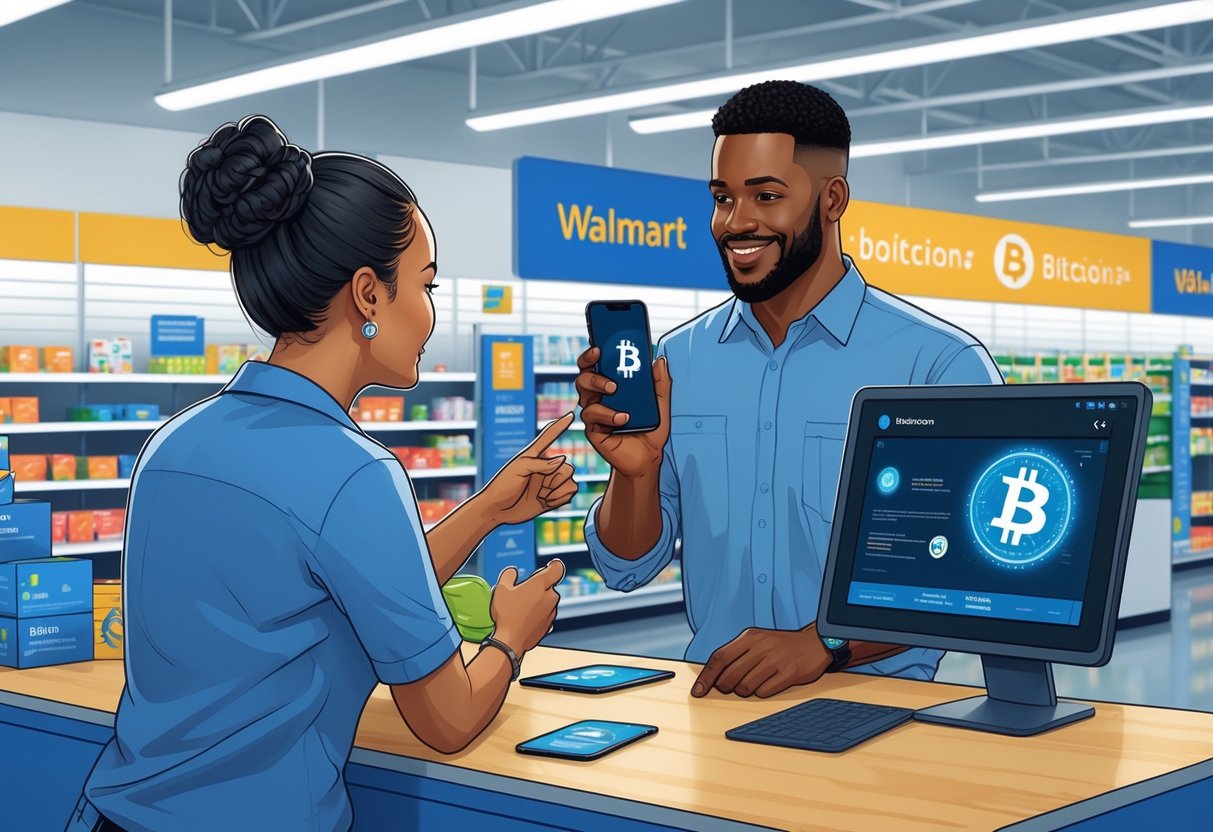
Here’s how it goes: you walk into Walmart, find a Coinstar Bitcoin kiosk, use cash to load up your digital wallet, and finish your purchase right there.
This setup gives people a simple way to invest in Bitcoin while they’re out shopping for groceries or whatever else.
A lot of people wonder if Walmart takes Bitcoin at the register. Nope, not yet.
You can’t pay for your groceries with Bitcoin directly, but you can use third-party crypto payment apps or cards.
That’s how Walmart fits into this whole trend of mixing old-school retail with digital currencies.
If you want more details, check out this guide to buying Bitcoin at Walmart Coinstar kiosks.
How to Buy Bitcoin at Walmart
Buying Bitcoin at Walmart is pretty straightforward with the kiosks in certain stores.
Coinstar and Coinme teamed up to let you use cash for Bitcoin.
You’ll find these kiosks in lots of Walmart locations across the country.
The process is quick, but fees and limits apply, so it’s worth knowing the details before you dive in.
Finding Coinstar Kiosks in Walmart Stores
Coinstar kiosks are your main ticket to buying Bitcoin at Walmart.
Right now, more than 200 Walmart stores have these machines.
They usually sit near the entrance, in electronics, or by customer service.
Want to know if your local Walmart has one? Check the Coinstar website or use a store locator.
The kiosks run on Coinme’s crypto platform, which adds a layer of security.
They let you buy Bitcoin with cash, so you don’t need a bank account or credit card to get started.
Step-by-Step Process Using Cash
Here’s what you do to buy Bitcoin at a Walmart Coinstar kiosk:
- Choose the Bitcoin purchase option on the screen.
- Enter your Bitcoin wallet address, or make a new one through Coinme.
- Feed cash into the kiosk to pay for your Bitcoin.
- Double-check the amount and follow any prompts.
- Grab your receipt—it’ll have a QR code or transaction ID.
- Your Bitcoin shows up in your wallet within minutes.
It helps if you already have a Bitcoin wallet, but you can make one on the spot if you need to.
Fees and Limits for Bitcoin Purchases
Buying Bitcoin at Walmart via Coinstar isn’t the cheapest route.
Here’s the breakdown:
| Fee Type | Percentage Fee |
|---|---|
| Transaction Fee | Around 4% |
| Cash Exchange Fee | Around 7% |
These fees add up, so you’ll pay more than you would online.
But hey, for a lot of people, the convenience is worth it.
You can usually buy between $500 and $2,500 worth of Bitcoin per day, depending on the store.
Those limits keep things safe and help meet financial regulations.
Knowing the fees and limits can help you plan ahead before you buy.
Bitcoin ATMs and Coinstar Kiosks Explained
When you buy Bitcoin at Walmart, you’re using kiosks that work kind of like Bitcoin ATMs.
These machines let you buy BTC with cash or sometimes cards.
You’ll need to create an account and verify your identity, mostly for security reasons.
What Are Bitcoin ATMs?
Bitcoin ATMs look like regular ATMs, but they’re for crypto.
You feed in cash, and the machine sends Bitcoin to your digital wallet.
Some of them even let you sell Bitcoin for cash.
At Walmart, Coinstar and Coinme run the show.
Coinstar used to just swap your coins for cash or gift cards, but now you can buy Bitcoin, too.
Coinme handles the crypto side and connects the kiosks to the Bitcoin network.
Creating a Coinme Account
To use these kiosks, you’ll need a Coinme account.
You’ll usually set this up on your phone or computer before you get to the machine.
The account links your identity to your Bitcoin wallet.
The Coinme app or website walks you through entering your info and linking a payment method.
Once you’re set up, you can buy Bitcoin at the kiosk without much hassle.
The account keeps track of your transactions and balance.
Security and Identity Verification
Security matters when you’re buying Bitcoin at Walmart.
You’ll have to go through identity checks—usually a government ID and sometimes your phone number.
The kiosks encrypt your data and use secure networks.
Coinme and Coinstar follow strict rules to protect customer info.
This keeps your transactions safe while you buy Bitcoin with cash or card.
Alternatives and Wider Context
Walmart lets you buy Bitcoin through certain kiosks, but there are other ways to get crypto in retail settings.
There’s a bigger trend here—more stores are dipping their toes into crypto services, and blockchain tech could play a bigger role down the road.
Other Ways to Buy or Sell Bitcoin at Walmart
Besides Coinstar kiosks, there aren’t a lot of ways to buy or sell Bitcoin right at Walmart.
Some kiosks let you sell Bitcoin for cash or gift cards, but not all of them.
A lot of people use apps tied to Walmart gift cards to get crypto through exchanges.
With Coinstar and Coinme, expect about a 4% transaction fee and a 7% cash exchange fee.
Yeah, that’s steeper than online, but some folks just like the in-person option.
Selling Bitcoin at Walmart is still pretty rare and depends on which kiosks are around.
Expansion of Cryptocurrency Services in Retail
Walmart’s move to add Bitcoin kiosks is part of a bigger shift in retail.
More than 200 Walmarts now have these machines, making digital currency more reachable for everyday shoppers.
Retailers are starting to experiment with other crypto services, too—think gift card payments, loyalty rewards in crypto, and digital wallets that sync with store apps.
Walmart’s approach feels cautious, but you can tell they’re paying attention to what customers want and to the rules they have to follow.
Blockchain Integration and Future Prospects
Beyond just buying bitcoin, Walmart’s been poking around blockchain technology to boost supply chain transparency. They want to tighten up payment security and make product tracking a whole lot easier.
With blockchain, Walmart can actually verify if products are legit and cut down on fraud. Every transaction gets logged in a way that’s basically tamper-proof—sounds reassuring, right?
Down the road, retail could see more crypto payment options, instant settlements, maybe even smart contracts running store operations. Will we get there soon? Hard to say.
Honestly, it’s all going to hinge on how regulations shake out and whether shoppers actually want to use crypto at checkout. Walmart’s testing the waters now, but full-on blockchain in retail? Still early days.
