

Staking vs Mining Explained
Staking vs Mining Explained is one of the most discussed topics in cryptocurrency today. These are both useful in securing blockchain networks as well as rewarding users; however, they do so in entirely different ways.
What Is Mining?
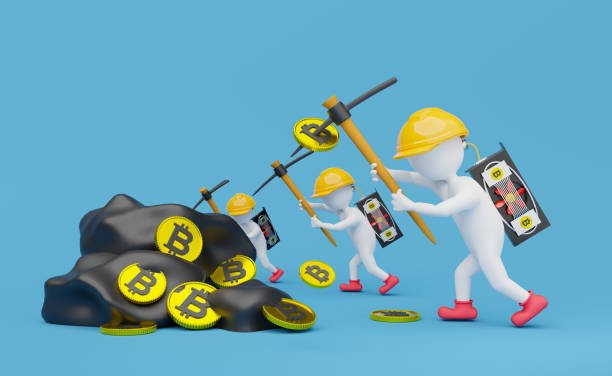
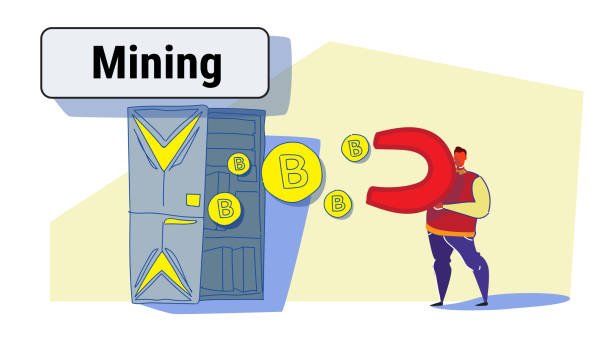
Mining refers to the newly issued coins and authentication of the transaction by a blockchain cryptocurrency which makes use of Proof of Work (PoW). Simply, mining is accomplished through the use of very strong computers in solving math. On cracking one, they multiply a block on the blockchain and gain rewards. The most well recognized example of this system is Bitcoin. The mining renders the network decentralized and secure. It is however, very power consuming and costly to get hardware.
What Is Staking?
Staking works differently. It belongs to the Proof of Stake (PoS). People store their coins locked instead of solving mathematics puzzles to ensure the network is operational. You insert your coins when you are propping the system to be secure and efficient. You, in your turn, get rewards not less than interest. Staking does not require construction of hefty machinery or the extensive use of cohesive energy. This increases its environmental friendliness and convenience to the average user. Staking vs Mining Explained highlights how these two systems achieve the same goal—keeping blockchains safe—using opposite methods.
The Technology Behind Staking vs Mining Explained
Mining is dependent on the power of computers. The better your hardware is the greater your likelihood to be rewarded. This puts rivalry among miners across the world. Stake is determined by the amount of coins one has. The larger percent of the coins you bet the greater your likelihood of authenticating a block and making rewards. Both systems are trusting and transparent but they apply different types of commitment where mining is used in place of energy and ownership in place of staking. Understanding this difference is key to grasping Staking vs Mining Explained.
Energy Use in Staking vs Mining Explained
Energy is one of the biggest differences in Staking vs Mining Explained. Massive amounts of electricity are used by mining in order to run the machines 24/7. This has been a cause of concern when it comes to the environment. Staking however does not demand much energy. Betting can be done on a computer, a phone or even at an exchange site. This, according to many specialists, will ensure staking is a more sustainable solution in the future. As mining formed the basis of crypto, staking is a more eco-friendly form of crypto.
Costs and Equipment in Staking vs Mining Explained
You require special miners known as ASICs, or GPUs in the mining process. They are also expensive to purchase and maintain. You also have to spend money on electricity, cooling and repairs. Such tools are not required in staking. You just have to lock up with a digital wallet and coins. Start-up cost is less and any one can start easily. This is due to the ease of staking, which is an attractive aspect to newcomers. Nonetheless, mining can elaborate greater profits as long as it is done efficiently. In Staking vs Mining Explained, both have their advantages and challenges.
Reward Systems in Staking vs Mining Explained
What makes staking and mining is rewarding, yet the difference here is in the mode of acquisition. Block-creation and transaction fees are used as rewards in mining. This is the competition with others, and only the fastest to exhibit a solution to a problem wins. Stakeholders in staking share rewards depending on the extent of their stakes. The larger number of coins one locks, the larger amount of earning one can get. Staking rewards are more predictable whereas mining rewards are not. This balance between risk and return is central to Staking vs Mining Explained.
Security and Trust in Staking vs Mining Explained
A blockchain system must have security. Mining involves sophisticated equation to keep networks out of attack. Mining it is expensive hence cheating is also expensive. Staking serves as the security mechanism of networks to make users lock their coins. In case one attempts to cheat, he loses a portion of his stakes. The two systems encourage honesty; though in varying manners. The expense in the case of mining is energy and the expense in the case of staking is money. Staking vs Mining Explained shows how both methods create a trustless system through incentives.
Profitability in Staking vs Mining Explained
which is the more lucrative, stiking or mining? The solution is relative to market conditions. When the price of coins goes up and the cost of electricity is low Mining may be very profitable. But as prices drop miners will be losing money. The returns to staking are more predictable, which are usually lower. Skills are not necessary to make a good livelihood with less risk. Staking is often taken by investors to gain passive incomes and mining is taken to attain active profits. Understanding these factors helps you make smarter choices in Staking vs Mining Explained.
Accessibility in Staking vs Mining Explained
When Bitcoin was founded, mining was not a difficult task. Nowadays, it is competitive and most of the time monopolized by big businesses. This renders it difficult to participate by small users. Staking is more inclusive. It is possible to begin with a few coins. Several exchanges also provide so-called staking pools, in which users can unite their money and divide the rewards. This makes Staking vs Mining Explained a story of evolution—from complex setups to simple participation for everyone.
Conclusion
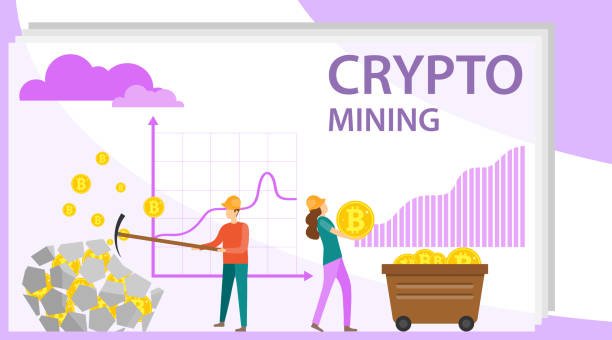
Staking vs Mining Explained shows two sides of the same coin. The two approaches are trying to ensure safety and fairness in blockchain networks. Mining consumes power; staking power. The foundation Mined Is set, and Saking Beats the vane. Regardless of whether you are a high-reward or a sustainability investor, understanding the operation of these systems can enable you to invest intelligently. The future of cryptocurrency will probably be a combination of both, which will confirm the fact that technology and community can develop on equal footing. Also, never enter into a network without investigating and selecting the approach that best suits.
FAQs
Which is the better, or staking or mining?
It depends on your goals. With mining, it may increase revenues, but requires machinery and power. Staking has less difficult access and predictable rewards.
Is it possible to do staking and mining?
Yes. Other investors are diversified by placing part of their coins and extracting others. This curbs the risks and rewards and sustains the various networks.
