

Smart Contracts in Real Life
It is through technology that it has altered the experience of the way we are living, working and doing business. One of the most exciting digital innovations today is the use of Smart Contracts in Real Life. These are not just digital promises, it is a self-executing agreement which automatically takes effect when the conditions are fulfilled. In plain terms, a smart contract eliminates the concept of middlemen, builds trust, and nurtures fairness of deals. While the idea started with blockchain and cryptocurrencies, Smart Contracts in Real Life now go far beyond finance. They are quietly driving industries such as real estate, healthcare, supply chain, as well as entertainment.
What Are Smart Contracts?
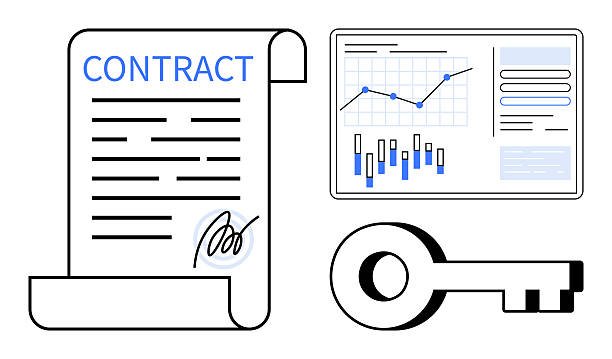
Smart contract refers to computer-coded digital contracts. They automatically execute upon achieving some rules. These digital contracts operate on blockchain networks instead of applying paper contracts that require the use of lawyers or agents. As soon as one of the requirements has been met, a smart contract self-executes itself. In one instance, have you ever rented a car using some blockchain-based application? A Smart Contract in Real Life would unlock my car only upon payment. Nobody has to control the process, and chances of fraud are nonexistent.
How Do Smart Contracts in Real Life Work?
The process behind Smart Contracts in Real Life is quite simple yet powerful. The Blockchain stores the contract and it is a secure and transparent one. All transactions are tracked and once entered, it is impossible to modify them. This will guarantee that then the results come out to be reliable. Here’s how it works:
- Agreement Terms: the contractual terms are formulated in computer code.
- Trigger Event: Out of special circumstances in relation to payment or delivery which within the contract is activated.
- Automatic has to be taken: When the terms are met this happens automatically and the contract completes itself.
- Confirmation and History:All the activities are logged on to the blockchain to assure evidence.
Because the system is automatic and transparent, Smart Contracts in Real Life reduce fraud, delays, and human errors.
Smart Contracts in the Real World.
Smart Contracts in Real Life have grown far beyond cryptocurrency transactions. Let us dwell on some of the real life situations where they are leaving their tremendous mark.
1. Real Estate
The process of purchasing or selling property consists of a number of processes, papers, and representatives. With Smart Contracts in Real Life, this process becomes smooth and secure. They have features of automatic transfer of property ownership following verification of payment. This removes paperwork and chances of fraud.
2. Supply Chain Management
It may be complex to trace the goods so far as the factory to an actual store. Smart Contracts in Real Life help record every step of the journey. Every product receives a digital identity in the blockchain. This guarantees authenticity and minimal threats of counterfeits. The business is able to assure consumers of when a product was shipped out to where it was shipped by knowingly tracking its origins and delivery date.
3. Healthcare
Patient information should remain confidential in the healthcare sector. Smart Contracts in Real Life can manage health records safely. Patients have the right to give or take away access to their data without the consent of a third party. The smart contracts can also be applied in insurance companies to automate the process of approvals in claims that have been fulfilled.
4. Banking and Finance
The financial sector is one of the largest users of Smart Contracts in Real Life. These are deals that are automated through payments, loans, and investment deals. An example is that the repayment of a loan may be automatic on the credit of a salary. This makes sure that payments are received on time and minimize the work in administration.
5. Insurance
Insurance claims are usually associated with practice. With Smart Contracts in Real Life, claims can be processed instantly. The payout is automatic in case of some circumstances such as a delay in a flight or an accident. This is time savings and fostered customer confidence.
6. Entertainment and Royalties.
Artists and content creators can use Smart Contracts in Real Life to protect their rights. The smart contract will automatically pay a creation to the creator when a song or digital art is sold. This makes sure that artists are paid well and immediately.
Benefits of Smart Contracts in Real Life
The rise of Smart Contracts in Real Life offers several clear benefits:
- Transparency: The terms of the contract are visible to everybody involved.
- Security: Data is stored on a blockchain making it impossible to be tampered with.
- Speed: Automated actions give time savings and lessening delays.
- Economical: There won’t be any need to use intermediaries such as lawyers or brokers.
- And preciseness: The reduced number of human mistakes because procedures are computerized.
All these benefits bring about strong trust and effectiveness of the digital economy. Businesses using Smart Contracts in Real Life gain a competitive edge through automation and reliability.
Challenges of Smart Contracts in Real Life
Although they sound perfect, Smart Contracts in Real Life face a few hurdles. One issue is coding accuracy. When a contract is incorrect it may result in very expensive issues. Additionally, smart contracts are not legalized in all countries. There are places where they have not been incorporated into official legislations. Moreover, due to the smart contracts being based on digital data, an incorrect input may generate the incorrect results. In spite of these problems, the developers have steadily been enhancing systems in order to make them secure and user-friendly.
Conclusion
Smart Contracts in Real Life are more than just digital trends. They are transforming industries, saving time, and costs and establishing trust in manners that the old systems cannot. Smart contracts are bringing revolutionary changes to our life without even we realizing it be it when it comes to automating real estate deals, privacy of health records or even when it comes to ensuring that artists are compensated accordingly. With the further development of technology, such contracts will be just as popular as online payments or digital signatures. Adopting them now, is to enter into tomorrow of trust, speed and transparency.

FAQs
Are Smart Contracts in Real Life legally valid?
In many countries, Smart Contracts in Real Life are gaining legal recognition. The legislation is also being revised to incorporate digital contracts, particularly in such spheres as finance and property.
Can Smart Contracts in Real Life be hacked?
Smart contracts meant as such are secure due to being based on blockchain. Nonetheless, the ineffective writing of the codes or other systems may pose threats. One should make sure that it is the specialists who construct the contracts.
