

NFT Craze: Hype or Future?
The digital space has evolved rapidly, and a single term continues to trend in the news, calling on everyone to start discussing NFTs, not just tech analysts and casual art acquirers. What is so special about them, though? Are NFTs not going to stay, or are they a momentary wave? NFT Craze: Hype or Future? is a question that arouses arguments in all the corners of the net. We should examine what NFTs are and why they gained popularity and what the future can bring to learn the truth about them.
What Are NFTs?
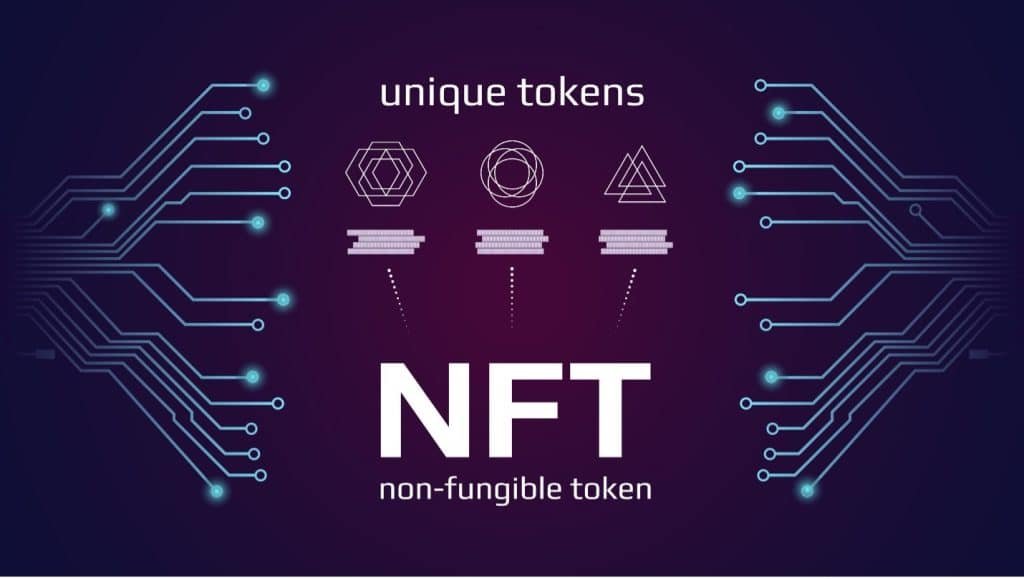
The NFT is an abbreviation of a non-fungible token. It is an online license that illustrates ownership of a distinctive object. NFTs are unique in contrast to Bitcoin or Ethereum, which are the same and interchangeable. One NFT cannot be exchanged with another, just like with real money. NFTs are unique, and each of them contains data. The NFT Craze: Hype or Future? was initiated as they started selling and purchasing art and music as well as collectibles and even virtual real estate using these digital tokens.
How Did NFTs Become Popular?
NFTs were not an accidental occurrence. This was initiated by the digital artists who wanted to be paid a reasonable amount of money to work. OpenSea and such platforms as Rarible and Foundation provided artists with an opportunity to sell to buyers without any intermediaries. In 2021, Beeple, an NFT artist, sold a piece at Christie’s called Every Dogwalk that sold for $69 million, unbelievably to the world. The sale in question gave the quasi-discourse about the NFT craze, “Hype or Future?”, and marshaled blockchain-based ownership into the mainstream. Soon all people desired to mint, sell, or collect NFTs.
Why Are NFTs Valuable?
NFTs become valuable due to the scarcity and ownership. The physical world is no different, as unique artworks or collectibles become valuable. NFTs will transfer the same idea to cyberspace. NFTs all exist in a blockchain, a publicly available digital registry that is impossible to modify. Trust is developed through this openness. It guarantees that, at any instance, the user of an NFT can demonstrate his or her ownership. Nevertheless, the debate on the issue of the Thompson has been going on since some critics have affirmed that there is a lot of speculation rather than genuine demand in this value.
The Technology Behind NFTs
The NFTs rely on blockchain networks, typically Ethereum networks. When the user produces an NFT, it is stored in the blockchain with a distinct electronic marker. No copying or interference can be done with that signature. This renders NFTs to be secure and easy to authenticate. The digital file is transformed into an NFT by the process of minting. This is where the digital object is linked permanently to the blockchain. This interpretation aids us in realizing why people take the NFT craze: hype or future? question seriously. It is not merely about art; rather, it is about a digital ownership transformation.
Real-World Uses of NFTs
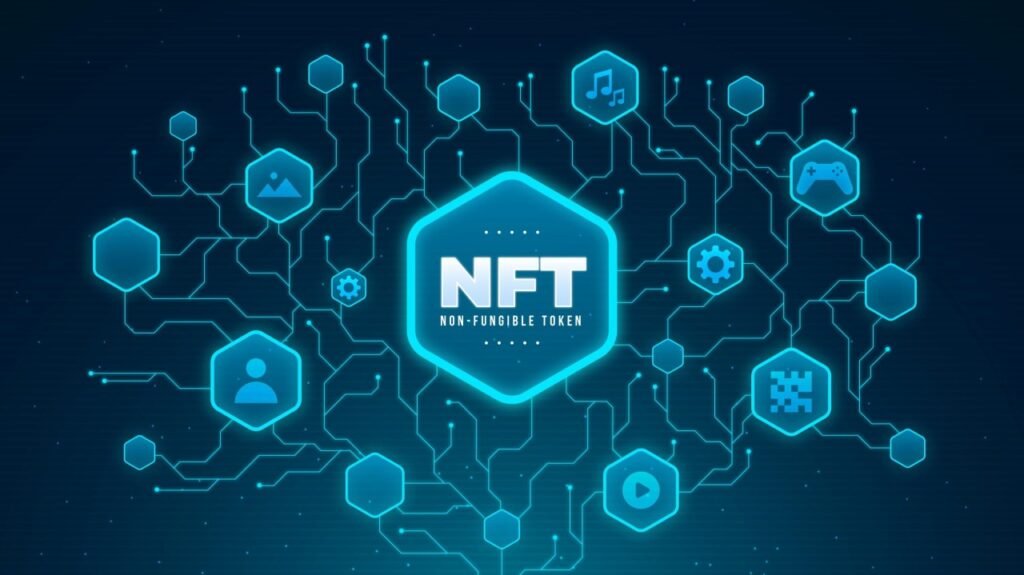
NFTs are meant to be an aspect that is not limited to digital art. They are transforming other industries as well. NFTs are used by musicians to sell albums or even concerts straight to the fans. They are utilized by game developers as in-game assets, which can be traded or sold by players. Even real estate is not an exception, as the virtual land is being sold in metaverses such as Decentraland. With this growth we see that the NFT craze is hype or future. may not be merely hype; instead, it may hint at an age of change in the way we appreciate digital goods.
The Environmental Concern
The major criticism of the NFTs is their environmental one. The majority of the NFTs are based on the Ethereum blockchain, which consumes high-energy densities. Every transaction is an energy-saving issue that draws concerns related to sustainability. Nonetheless, the transformation to Ethereum as a proof-of-stake protocol in 2022 reduced the power consumption by more than 99 percent. That shift provided a certain balance to the NFT craze: hype or future argument as NFTs were made more environmentally friendly. Nevertheless, designers and consumers are still trying to find a more fertile blockchain-based solution.
Market Volatility and Risks
NFTs have some dangers even though they provide exciting prospects. Prices may either shoot up or down within a minority of time. Others have thrown away huge amounts of funds buying the fashionable NFTs, which have since gone down in value. There are also cases of scams, forged collections, and stolen works. All these complicate the NFT craze: hype or future? question. NFTs have to be researched, cautioned, and aware, just like any other market, before a person invests.
The Bearing of Community and Culture.
NFTs are open to support by the community. There are numerous prosperous projects that form powerful online communities sharing ideas, organizing events, and collaborating. The sense of belonging makes the users involved. NFT projects tend to be influenced by the reputation and development of communities. This is a social factor that contributes to the NFT craze: hype or future? issue. It is not so much about revenue but also about people co-creating culture.
Control and Juridical Inquiries.
NFTs are of a recent nature, and international laws are at a lag. Certain problems such as copyrights, taxation, and consumer protection are being discussed. Governments want to know how to ensure that NFT trading does not halt innovation but regulates it. Such legal talks will have a significant impact in determining whether the NFT Craze: Hype or Future? will be a long-term industry or pass out of time. It is necessary that clear rules be put in place to enable the creation of trust and safety of users.
The Future of NFTs
In the future, NFTs will be possible in everyday life. Digital loyalty programs and digital collectibles are already done through NFTs by brands. They are tested in universities in the case of digital diplomas. They are used in sports teams in order to engage fans. In case the adoption continues to increase, the NFT Craze: Hype or Future? question may have a definite answer—NFTs may become an indelible element of web development. The analysts estimate that the number of individuals in the NFT industry will grow safely and inexpensively with the development of better technology and lower gas prices.
The Reason It Still Says Hype to Some.
Since criticism has it, NFTs are based on too much hype and not enough functionality. It has been found that many NFT ventures have lost theirAs value since the initial buzz. There are buyers who seek short-term gains rather than long-life values. Such a speculative attitude leads to skepticism on the sustainability of NFTs. That is why NFT Craze: Hype or Future? is a controversial issue. Whether NFTs have a practical application outside the collectibles and art realm will be determined in reality.
Conclusion
So, NFT Craze: Hype or Future? The answer isn’t simple. NFTs imply hype and opportunities. They have established newfangled chances for artists and investors but also the issues concerning the regulation and stability. That passion might subside, yet the perfectly acceptable notion of possessing and trading digital goods is here to stay. With the improvement of the technology, NFTs will probably revolutionize other industries other than art.
FAQs
Are NFTs a safe investment?
NFTs could be lucrative and dubious at the same time. Never rush to know who made them, ensure that the information is original, and always invest only what you can afford to lose.
