


Bitcoin and Ethereum fell sharply on Tuesday, targeting Hamas officials after Israel launched an unprecedented strike in Qatar. The escalation rattled global markets, rushing investors to gold and oil while crypto prices were sinking.
Bitcoin and Ethereum quickly fell by more than 1%, while Solana and XRP lost 1.5% each. Dogecoin led the losses, sliding 3.2%. Liquidation data reveals more about future risks.
Another geopolitical conflict to derail the bull market?
Coinglass data showed heavy liquidation as volatility surged. Nearly $52 million leveraged positions have been wiped out in the past hour.
Sponsored Sponsors
Long traders were given the brunt of their brunt, and $44 million was liquidated. Ethereum accounted for $11.9 million in liquidation, followed by $10.5 million in Bitcoin.
The magnitude of the loss highlights the speed of leverage released. In total, liquidation reached $370 million over the past 24 hours. Most positions have been a long bet on continued profits, revealing optimism ahead of the strike.
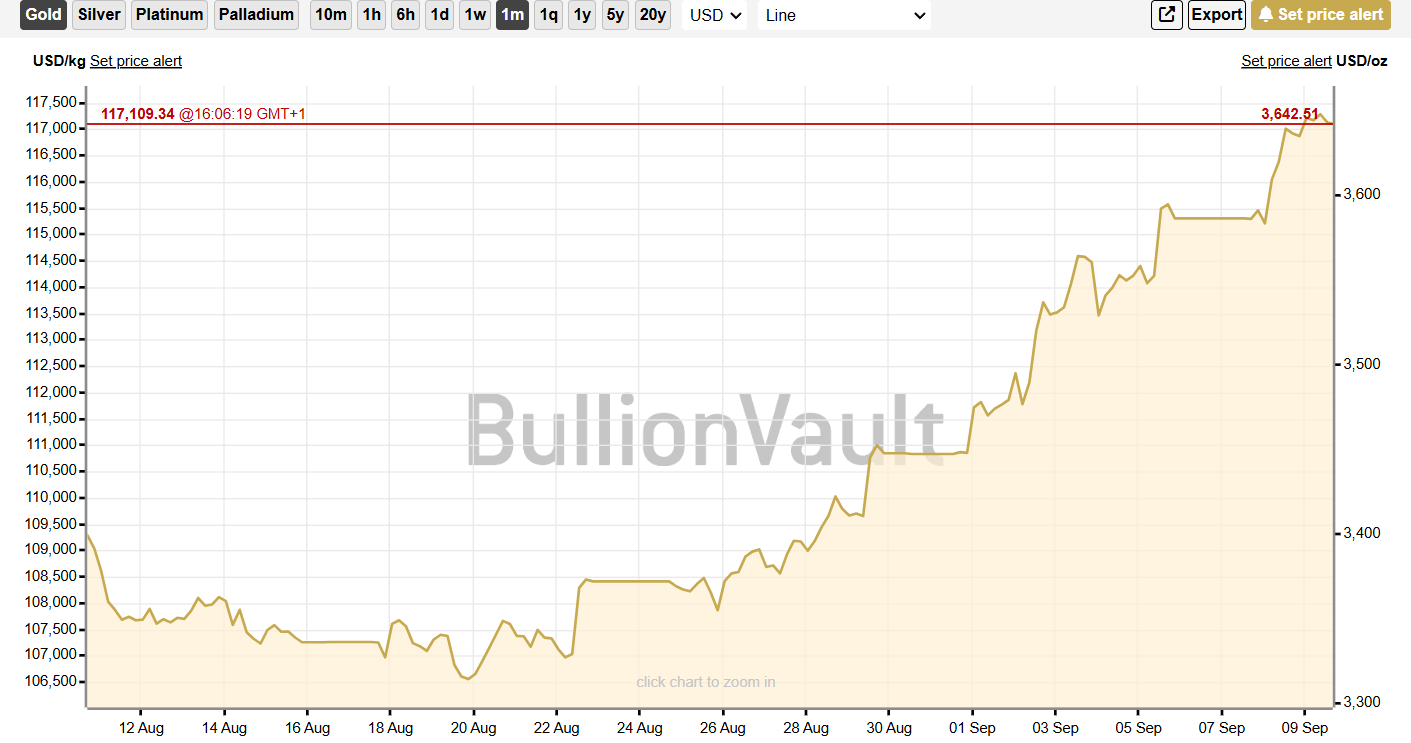
In contrast, gold surged to record highs shortly after Israel attacked Qatar as demand for safe assets surged.
Oil prices rose at $1 per barrel, trading under $67. Analysts called these moves a reasonable response to geopolitical risks, but oil increases could prove to be short-lived.
The divergence reflects the struggle for Bitcoin to respond to the “digital gold” label. Gold has recovered, but Bitcoin acted like a high beta-risk asset.
Correlation data confirms shifts and the 30-day rolling link between the two assets is slightly negative.
The strike on Doha has great diplomatic implications, but the market first responded to its direct risk signal. Traders quickly lost their risk and moved from volatile tokens to stupid tokens and traditional shelters.
Until confidence in Safe Haven’s qualities is strengthened, Bitcoin could follow stocks and risky assets during the crisis rather than in the crisis.
